The Future of Textile Finishing: ZDHC Alignment, PFAS-Free Chemistry & Hydrophilic Block Silicones
Explore the future of textile finishing through ZDHC-aligned chemical management, water-efficient processing, PFAS-free performance finishes, and hydrophilic block-silicone softeners. Discover how innovative specialty chemicals can help textile manufacturers enhance fabric quality, improve processing efficiency, and support more responsible manufacturing practices.
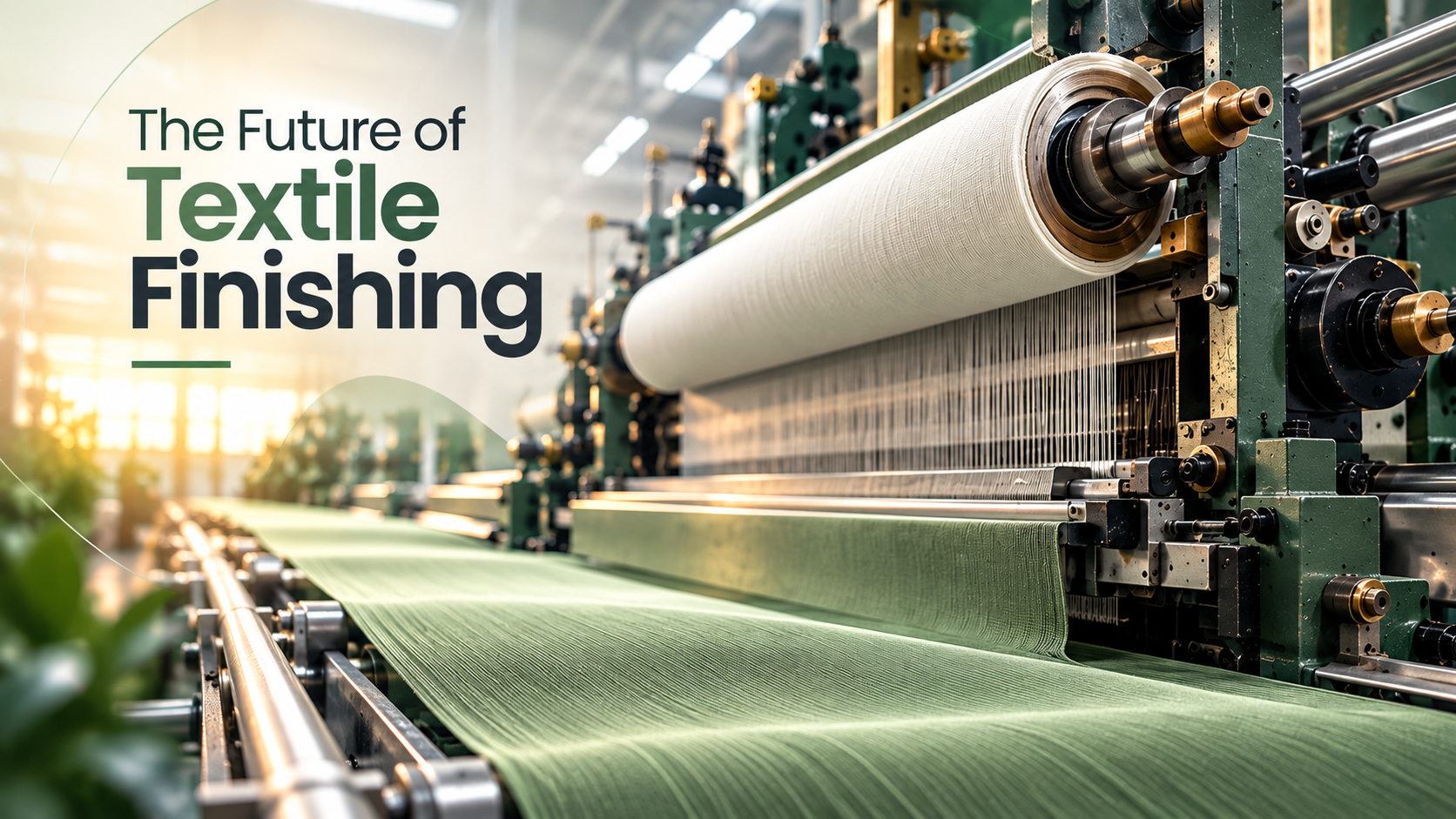
The textile industry is moving towards advanced finishing technologies that combine fabric performance with responsible chemical management. From reducing water consumption to exploring PFAS-free alternatives and improving fabric softness, specialty chemicals are playing an increasingly important role in modern textile manufacturing.
For textile mills and fabric manufacturers, the challenge is to achieve consistent finishing results while meeting evolving environmental expectations and demanding fabric performance requirements.
ZDHC Alignment and Responsible Chemical Management
Responsible chemical selection is a key step towards more sustainable textile production. The Zero Discharge of Hazardous Chemicals (ZDHC) programme provides a framework for managing hazardous substances used in manufacturing, including through its Manufacturing Restricted Substances List (MRSL). Selecting chemicals with verified conformance to applicable ZDHC requirements helps textile manufacturers strengthen their chemical management practices and make informed sourcing decisions.
Water-Efficient Textile Processing
Water consumption remains an important consideration across pretreatment, dyeing, washing, and finishing operations. Optimising chemical formulations, application methods, and processing conditions can help reduce unnecessary rinsing and improve resource efficiency. The right chemical solution can support consistent processing while helping manufacturers identify opportunities to reduce water use.
PFAS-Free Chemistry for Performance Finishing
As the textile industry explores alternatives to PFAS-based chemistries, PFAS-free finishing technologies are gaining attention. Depending on their formulation, these solutions can be developed to address specific functional requirements while supporting the transition towards alternative chemical systems. Performance, durability, and suitability for the intended application remain essential evaluation criteria.
Hydrophilic Block Silicones: Softness Meets Moisture Management
Hydrophilic block-silicone softeners offer an approach to combining a smooth, soft fabric feel with improved moisture absorption and management. Depending on the formulation and processing conditions, they can be suitable for selected cotton, polyester, and blended fabrics. These properties are particularly relevant to textile applications where comfort, handle, and moisture management must work together.
Moving Towards Smarter Textile Finishing
The future of textile finishing lies in balancing performance, process efficiency, and responsible chemical management. By evaluating innovative specialty chemicals against both technical requirements and environmental objectives, manufacturers can make more informed decisions about their finishing processes.
At Greenwave Global, advancing textile chemical technologies means supporting the industry’s pursuit of better fabric performance, efficient processing, and more responsible manufacturing practices.